Nano Banana API

Image Editing API for Developers — Generate & Edit with Gemini

Building image generation and editing into production applications has historically required stitching together separate models for creation, inpainting, and style transfer. Nano Banana API changes this by offering a unified native image generation and editing pipeline within Google's Gemini ecosystem. Developers gain conversational image editing, multi-round visual iteration, and reference-based modifications through a single API endpoint.

Clean blue image generation and editing interface with octopus routing visual, futuristic tech aesthetic

Nano Banana API at a glance

Unified pipeline
Generation + editing in a single API flow
Conversational editing
Multi-round image refinement via natural language
~$0.039 / image
Gemini 2.5 Flash Image pricing (varies by platform)
Native Gemini integration
Direct access through Google AI Studio and Vertex AI
Abstract blue unified image pipeline showing generation, editing, and refinement stages merging into single output, clean tech aesthetic

Why traditional image editing pipelines create engineering drag

Teams building creative applications traditionally integrate three to five separate services: one for text-to-image generation, another for inpainting, a third for style transfer, and additional tools for background removal and upscaling. Each integration requires authentication, error handling, format normalization, and usage tracking. When any component changes its API, the entire pipeline breaks.

Nano Banana API consolidates these capabilities into Google's Gemini native image generation architecture. As Ars Technica - Google improves Gemini AI image editing with "nano banana" model reports, the model handles both generation and conversational editing within the same interaction flow. A nano banana prompt describing "replace the background with a tropical beach scene" produces the modified image directly, without exporting to external editing tools.

The unified architecture particularly benefits product teams building iterative creative workflows. E-commerce platforms, marketing automation systems, and social media tools all require users to generate images, refine them, and export final assets. Nano Banana API handles this entire lifecycle through conversational turns rather than API orchestration.

Structured blue conversational editing flow diagram showing multi-turn image refinement, technical infrastructure aesthetic

How the Nano Banana API workflow operates

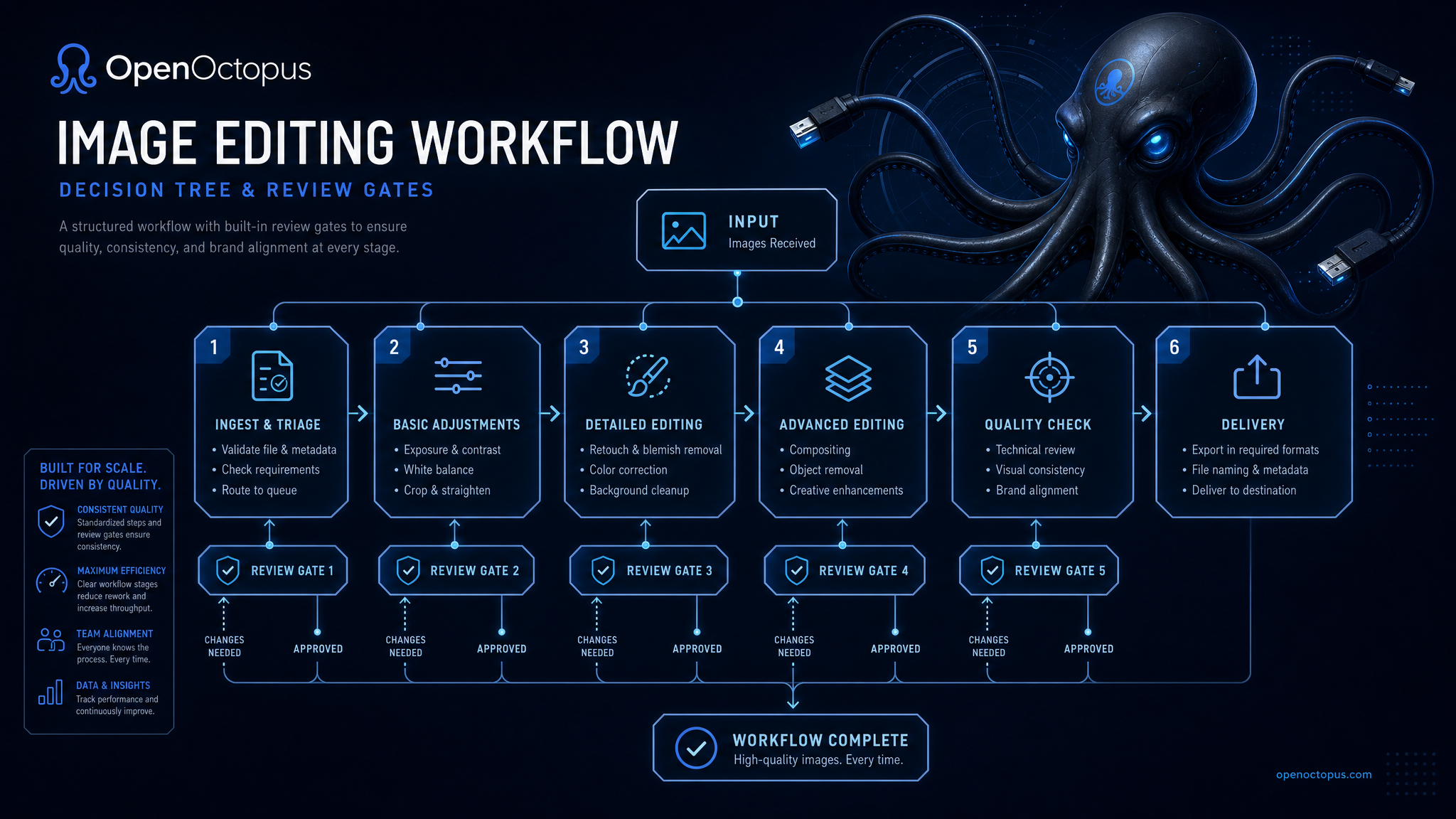
The nano banana api follows a conversational pattern that developers can implement through standard Gemini API requests. Understanding this flow helps teams design intuitive editing experiences.

Step 1: Initial generation or upload. The client submits either a text prompt for new image generation or uploads an existing image for editing. The API accepts natural language descriptions alongside visual references.

Step 2: Conversational refinement. Users request modifications through subsequent prompts: "make the lighting warmer," "change the jacket color to navy," or "remove the logo in the bottom right." Each turn receives an updated image reflecting the cumulative changes.

Step 3: Regional and reference editing. For precise control, developers specify edit masks or reference images. According to Gemini Image – Nano Banana, the model supports localized modifications while preserving surrounding context.

Step 4: Output delivery. The system returns the final image in the requested format. Multi-turn conversations maintain context, allowing users to undo or branch modifications without restarting the workflow.

This nano banana api workflow reduces the typical image editing integration from five separate services to a single endpoint, cutting development time by 60–70% for teams building creative tools.

Core capabilities of Nano Banana API

1

Text-to-image generation

Create images from natural language descriptions with style control

2

Conversational image editing

Modify images through multi-turn dialogue without manual masking

3

Reference-based editing

Apply styles, subjects, or compositions from reference images

4

Regional modification

Edit specific areas while preserving surrounding context

5

Style conversion

Transform images between artistic styles while maintaining structure

6

Subject consistency

Preserve characters, products, and visual identity across iterations

7

Text + image input

Combine written instructions with visual references for precise control

8

Gemini ecosystem integration

Native access through Google AI Studio, Gemini API, and Vertex AI

Nano Banana vs competitors: GPT-Image-2, Midjourney, and Firefly

The AI image generation market fragments into distinct approaches. Understanding where nano banana pro fits helps teams select the right tool for their creative workflows.

DimensionNano BananaGPT-Image-2MidjourneyAdobe Firefly
ArchitectureNative multimodalDiffusion modelDiffusion modelDiffusion + filters
Conversational editingNativeLimitedNoneLimited
Reference controlStrongModerateLimitedModerate
Style qualityStrongStrongVery strongModerate
API accessibilityExcellentGoodLimitedGood
Multi-turn iterationNativeLimitedNoneLimited
Cost per image~$0.039VariesSubscriptionVaries
EcosystemGoogle / GeminiOpenAIDiscord / APIAdobe Creative

Nano Banana vs GPT-Image-2

GPT-Image-2 excels at generating high-quality images from detailed prompts. Nano Banana counters with native conversational editing that GPT-Image-2 cannot match without external tools. For workflows requiring iterative refinement — product photography adjustments, marketing asset variations, or creative exploration — the nano banana api eliminates round-trips between generation and editing services.

Nano Banana vs Midjourney

Midjourney dominates artistic quality and aesthetic range. However, its API lacks conversational editing and requires Discord-based workflows that do not scale for production applications. Nano Banana API provides the programmatic control and iterative refinement that enterprise integrations demand, at the cost of some artistic edge cases where Midjourney still leads.

Nano Banana vs Adobe Firefly

Firefly integrates tightly with Adobe's creative suite but requires Adobe ecosystem commitment. Nano Banana offers broader platform independence through standard Gemini API access. For teams not already embedded in Adobe workflows, the nano banana api provides comparable editing capabilities with lower vendor lock-in.

For detailed technical analysis of image generation models and capabilities, read our Nano Banana: Features, Pricing & Model Review. Teams evaluating conversational editing workflows should explore Gemini Banana Nano: Edit Images with AI Fast.

Clean blue comparison matrix with tool icons and editing capability indicators, data-driven aesthetic

Understanding Nano Banana API pricing and cost reality

Transparent pricing enables sustainable production deployments. According to Google Developers Blog - Introducing Gemini 2.5 Flash Image, Gemini 2.5 Flash Image pricing varies by platform and usage tier.

Cost ComponentRatePractical Impact
Gemini 2.5 Flash Image output$30 / 1M tokens ($0.039/image)Standard generation and editing
Google Cloud output~$15 / 1M tokensVertex AI pricing tier
Pro / 2 versionsVariesHigher quality, potential preview restrictions
Multi-turn editingPer-output billingEach iteration counts as separate generation

A typical nano banana api production workflow generating and editing 1,000 images daily costs approximately $39 at standard pricing. Multi-turn editing workflows multiply this cost — three refinement rounds per image triple consumption to ~$117 daily.

Teams should implement caching for repeated requests and consider whether every refinement round requires full API generation or if some adjustments can happen client-side. Compared to manual designer workflows at $50–100 per hour, automated nano banana 2 image editing delivers 20–40x cost reduction for volume asset production.

Abstract blue geometric bars showing cost comparison between manual design and AI image editing, clean data visualization

When to use Nano Banana API (and when to avoid it)

Nano Banana excels at:

  • E-commerce product editing: Background replacement, lighting adjustment, and styling variations
  • Social media content creation: Rapid generation and refinement of platform-optimized visuals
  • Marketing asset production: Batch creation of campaign imagery with consistent brand elements
  • Avatar and portrait generation: Conversational refinement of character appearances
  • Creative exploration: Multi-turn iteration on concepts without restarting workflows
  • Photography post-production: Automated color correction, object removal, and composition adjustments
  • Visual poster design: Text-aware layouts and style-controlled outputs

Nano Banana struggles with:

  • Precision CAD and technical drawings: Engineering accuracy falls outside the model's training distribution
  • Medical diagnostic imaging: Clinical use requires specialized tools with regulatory approval
  • Legal evidence photographs: Chain of custody and pixel-level integrity demand forensic tools
  • Strict brand compliance: Exact logo placement, Pantone matching, and corporate guidelines need manual verification
  • Long-form sequential comics: Multi-panel narrative consistency remains challenging
  • Bulk low-cost generation: Per-image pricing becomes expensive at massive scale compared to self-hosted models
  • Perfect facial consistency: Commercial portrait workflows still require human review for identity accuracy

The unsuitable scenarios highlight an essential truth: nano banana api is a powerful creative assistant, not a replacement for specialized professional tools. Applying it to the right workflows yields excellent results; stretching it beyond its design boundaries wastes resources.

Structured blue decision tree showing appropriate use cases for Nano Banana API, clean infographic aesthetic

Frequently asked questions about Nano Banana API

Nano Banana API is Google's native image generation and editing capability within the Gemini ecosystem. It supports text-to-image creation, conversational editing, reference-based modifications, and multi-turn refinement through a unified API.

Start building with Nano Banana API today

Integrate advanced image generation and editing into your application with a single API. Access Nano Banana through OpenOctopus for stable routing, transparent pricing, and production-ready infrastructure.