Nano Banana Pro: Edit Images with AI Online

Professional-Grade Image Editing and Generation Through a Single API

Creating commercial-quality visuals used to require switching between generation tools, editing software, and review platforms. Nano Banana Pro consolidates the entire workflow into one conversational interface powered by Google's Gemini 3 Pro Image architecture. Upload any photograph, describe the changes you need in plain language, and receive production-ready assets without touching layer masks or export settings.

Clean blue professional image editing interface with octopus routing visual, multi-panel refinement preview, futuristic tech aesthetic

Nano Banana Pro at a glance

Native multimodal editing
Generation, inpainting, outpainting, and style transfer in one pipeline
Multi-round stability
Subject consistency maintained across 10+ conversational turns
Advanced text rendering
Logo overlays and headlines readable in approximately 78% of outputs
Google AI ecosystem
Native access through Gemini API, Vertex AI, and AI Studio
Abstract blue unified editing workspace showing generation, refinement, and output stages merging into single pipeline, clean tech aesthetic with octopus motifs

Why Nano Banana Pro changes the image editing workflow

Traditional image editing pipelines force teams to chain separate services: a diffusion model for generation, an inpainting tool for localized edits, a style transfer service for aesthetic changes, and manual review for quality control. Each handoff introduces latency, format conversion errors, and consistency drift.

Nano Banana Pro eliminates this fragmentation by building all capabilities into a single native multimodal architecture. As Google Blog - Introducing Nano Banana Pro explains, the model processes text understanding, visual comprehension, and image synthesis within one inference pipeline rather than orchestrating multiple specialist models.

The practical impact is immediate. A fashion retailer using the nano banana pro api can upload a single product photograph, request "change the background to a minimalist white studio, add soft shadow beneath the shoes, and place the brand name in the lower right corner," and receive a campaign-ready image in one conversational context. No exporting to Photoshop. No mask creation. No layer management.

This unified approach particularly benefits teams building SaaS creative tools. Instead of maintaining integrations with four or five separate image services, developers connect to one endpoint and offer their users conversational editing that feels like working with a professional designer.

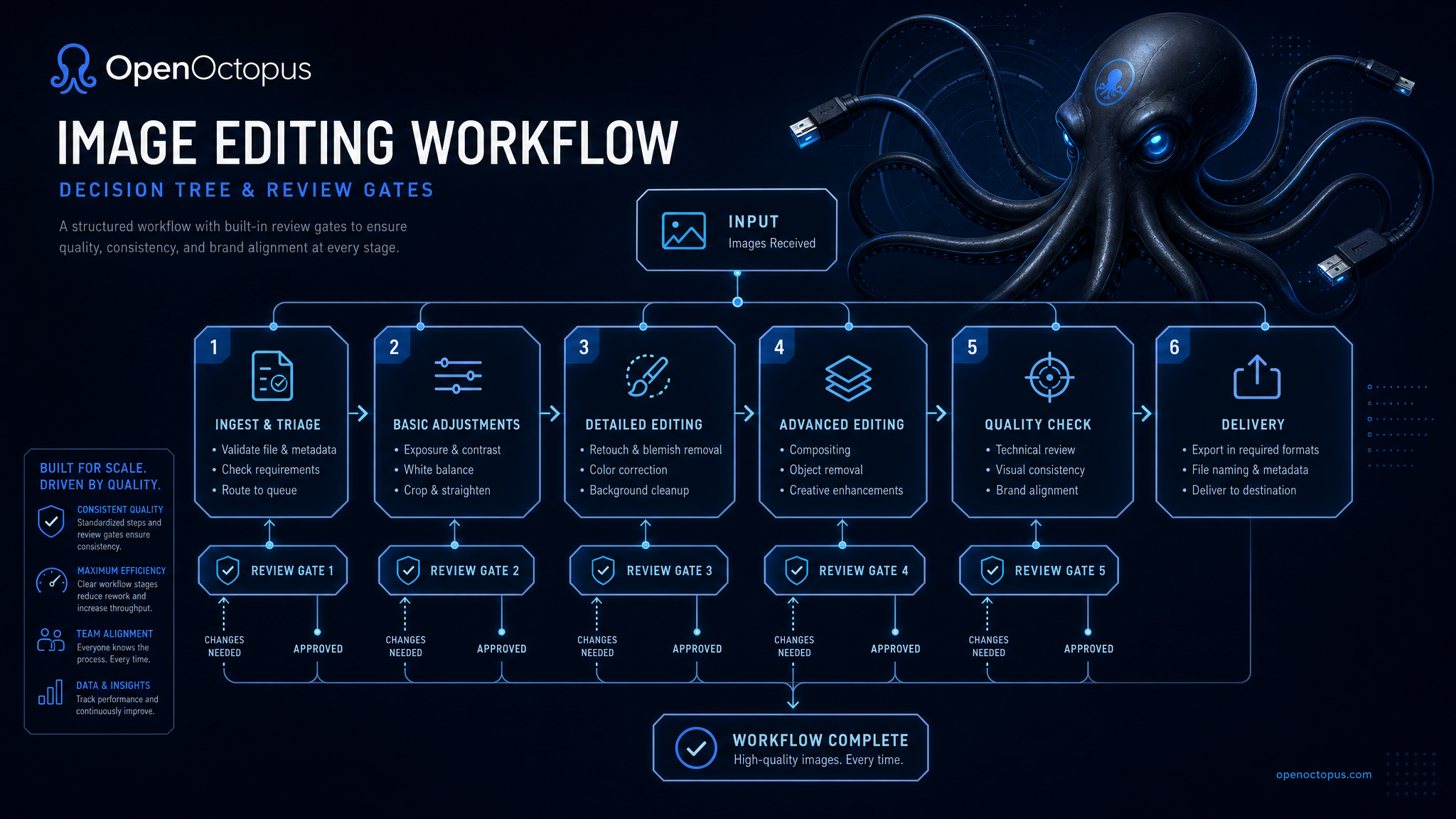
Structured blue multi-round conversational editing flow diagram showing cumulative refinement stages with context preservation, technical infrastructure aesthetic

How multi-round editing works in practice

The defining advantage of nano banana pro is its conversational stability. Earlier generation models treat each prompt as an independent request, which means refining an image through multiple rounds often introduces unexpected changes to areas you already approved. Nano Banana Pro accumulates edits contextually.

Round 1: Upload and establish context. Submit a base image or generation prompt. The model captures subject structure, lighting conditions, and compositional relationships.

Round 2: Targeted modifications. Request specific changes — "remove the distracting sign in the background," "warm the overall color temperature," or "replace the model's jacket with a navy blazer." Each edit preserves the structural elements established in Round 1.

Round 3: Detail refinement. Add finishing touches such as text overlays, logo placement, or subtle lighting adjustments. According to Gemini 3 Pro Image – Nano Banana Pro, the Pro tier maintains subject fidelity across these cumulative modifications with significantly less drift than standard image generation models.

Round 4+: Branching and versioning. Because the conversation maintains context, teams can fork modifications from any point. Create three ad variants from the same base image without restarting the workflow.

For production teams, this stability translates into fewer regeneration cycles and lower API costs. Where standard models might require five or six attempts to achieve a usable result, nano banana pro typically delivers acceptable output in two to three rounds.

Core capabilities of Nano Banana Pro

1

Advanced image editing

Inpainting, outpainting, and regional modification with context-aware blending

2

Reference-guided generation

Maintain subjects, styles, and compositions across new image creation

3

Multi-round iteration

Conversational editing that accumulates changes without quality degradation

4

Style transfer with structure

Apply artistic styles while preserving original geometry and proportions

5

Text-aware generation

Create images containing readable typography, labels, and signage

6

Subject consistency control

Preserve characters, products, and visual identity across iterations

7

Prompt following enhancement

Complex compositional instructions execute with high precision

8

Commercial asset output

High-resolution results suitable for marketing and e-commerce production

Nano Banana Pro vs competitors: GPT-Image-2, Midjourney V7, and Recraft V3

The professional image editing landscape has become crowded with capable tools. Understanding where nano banana pro positions helps teams allocate budget and engineering resources effectively.

DimensionNano Banana ProGPT-Image-2Midjourney V7Recraft V3
Conversational editingNative, multi-roundLimitedNoneModerate
Subject consistencyStrongModerateGoodStrong
Text renderingAdvancedModerateBasicAdvanced
Style creativityGoodGoodExcellentModerate
API accessibilityExcellentGoodLimitedGood
Multi-turn stabilityHighLowN/AModerate
EcosystemGoogle / GeminiOpenAIDiscord / APIIndependent
Best forComplex editing workflowsGeneral generationArtistic qualityBrand design

Nano Banana Pro vs GPT-Image-2

GPT-Image-2 generates impressive images from detailed prompts but lacks native conversational editing. Teams using GPT-Image-2 for iterative workflows must export outputs to separate editing tools or submit entirely new prompts. The nano banana pro api eliminates this friction by handling generation and refinement within the same conversation.

Nano Banana Pro vs Midjourney V7

Midjourney remains the aesthetic leader for artistic and fantastical imagery. However, its API offers no conversational editing, and production scaling requires Discord-based workflows that many enterprise teams find impractical. Nano Banana Pro trades some artistic edge for programmatic control and editing stability that production applications require.

Nano Banana Pro vs Recraft V3

Recraft V3 targets brand design with strong vector and layout capabilities. While excellent for logo-centric work, its conversational editing lacks the depth of nano banana pro multi-round refinement. Teams needing complex photographic edits across multiple iterations find Google's architecture more flexible.

For deeper technical analysis, read our Nano Banana Pro: Gemini-3-Pro-Image-Preview Review. Developers evaluating integration options should explore Nano Banana Pro API for Image Editing & Generation.

Clean blue comparison matrix showing tool capabilities across editing dimensions, data-driven aesthetic with octopus brand motifs

Nano Banana Pro pricing and cost considerations

Official pricing for Nano Banana Pro remains tied to the Gemini Image generation tier. Google has not published a separate Nano Banana Pro Benchmark with isolated latency or per-request pricing. Based on current Gemini 3 Pro Image structure, production teams should budget for the following cost profile.

Cost ComponentEstimated RatePractical Impact
Standard image generationPremium tier (~$0.05–0.08 / image)Higher per-image cost than base Nano Banana
Multi-round editingPer-output billingEach conversational turn counts as separate generation
Vertex AI throughputVaries by region and quotaEnterprise deployments may negotiate volume rates
High-resolution outputPremium multiplier2K+ exports cost significantly more than standard

A typical nano banana pro production workflow processing 500 images daily with an average of 2.5 refinement rounds consumes approximately 1,250 generations. At estimated premium rates, this translates to $62–100 daily — still 15–25x cheaper than manual designer workflows at comparable volume.

The key cost optimization strategy is reducing refinement rounds through better initial prompts. Because nano banana pro achieves acceptable results in fewer iterations than competing models, the higher per-request price often yields lower total project cost.

We recommend verifying current rates through the official Google Cloud documentation, as preview pricing may shift as the model moves toward general availability.

When to choose Nano Banana Pro (and when to look elsewhere)

Nano Banana Pro excels at commercial visual workflows where iterative refinement and subject consistency matter more than pure artistic exploration.

Ideal scenarios for nano banana pro:

  • E-commerce product optimization: Background replacement, lighting adjustment, and styling variations for catalog imagery
  • Advertising asset production: Rapid generation of campaign variants with consistent product placement and brand elements
  • Marketing collateral creation: Social media graphics, visual posters, and promotional imagery with text overlays
  • Portrait and fashion editing: Conversational retouching that preserves subject identity across multiple refinement rounds
  • Design workflow integration: Embedded editing capabilities within creative SaaS products and marketing automation platforms

Scenarios where alternatives serve better:

  • Medical imaging and diagnostic visuals: Requires specialized tools with regulatory approval and pixel-perfect accuracy
  • Legal evidence photography: Chain-of-custody requirements and forensic integrity exceed what generative models can guarantee
  • Industrial CAD and technical drawings: Engineering precision falls outside the training distribution of generative image models
  • Strict factual accuracy: Any image where precise real-world truth matters, such as news photography or scientific documentation
  • Bulk low-cost content generation: Per-image premium pricing becomes prohibitive at massive scale compared to self-hosted open-source alternatives
  • Long-form sequential comics: Multi-panel narrative consistency across extended sequences remains technically challenging

According to Google Cloud - Gemini 3 Pro Image (Nano Banana Pro), enterprise deployments should implement human review checkpoints for any commercial asset destined for public distribution. This recommendation reflects real engineering constraints: even advanced models occasionally drift on logo accuracy, facial consistency, or text rendering.

Structured blue decision framework showing appropriate and inappropriate use cases for Nano Banana Pro, clean infographic aesthetic with octopus motifs

Frequently asked questions about Nano Banana Pro

Nano Banana Pro is Google's advanced native image editing and generation model within the Gemini ecosystem. Built on gemini-3-pro-image-preview architecture, it supports multi-round conversational editing, reference-guided generation, inpainting, outpainting, and style transfer through a unified API.

Start editing images with Nano Banana Pro today

Transform your creative workflow with conversational image editing that understands context, preserves consistency, and delivers commercial-quality results. Access Nano Banana Pro through OpenOctopus for stable routing, transparent pricing, and production-ready infrastructure.