Nano Banana Pro API

Production-Grade Image Editing & Generation for Developers

Building advanced image editing into production applications requires more than a powerful model. It demands stable endpoints, predictable latency, transparent pricing, and SDKs that integrate cleanly into existing pipelines. This API delivers Gemini 3 Pro Image — Google's most capable native image editing and generation model — through infrastructure designed for commercial workloads.

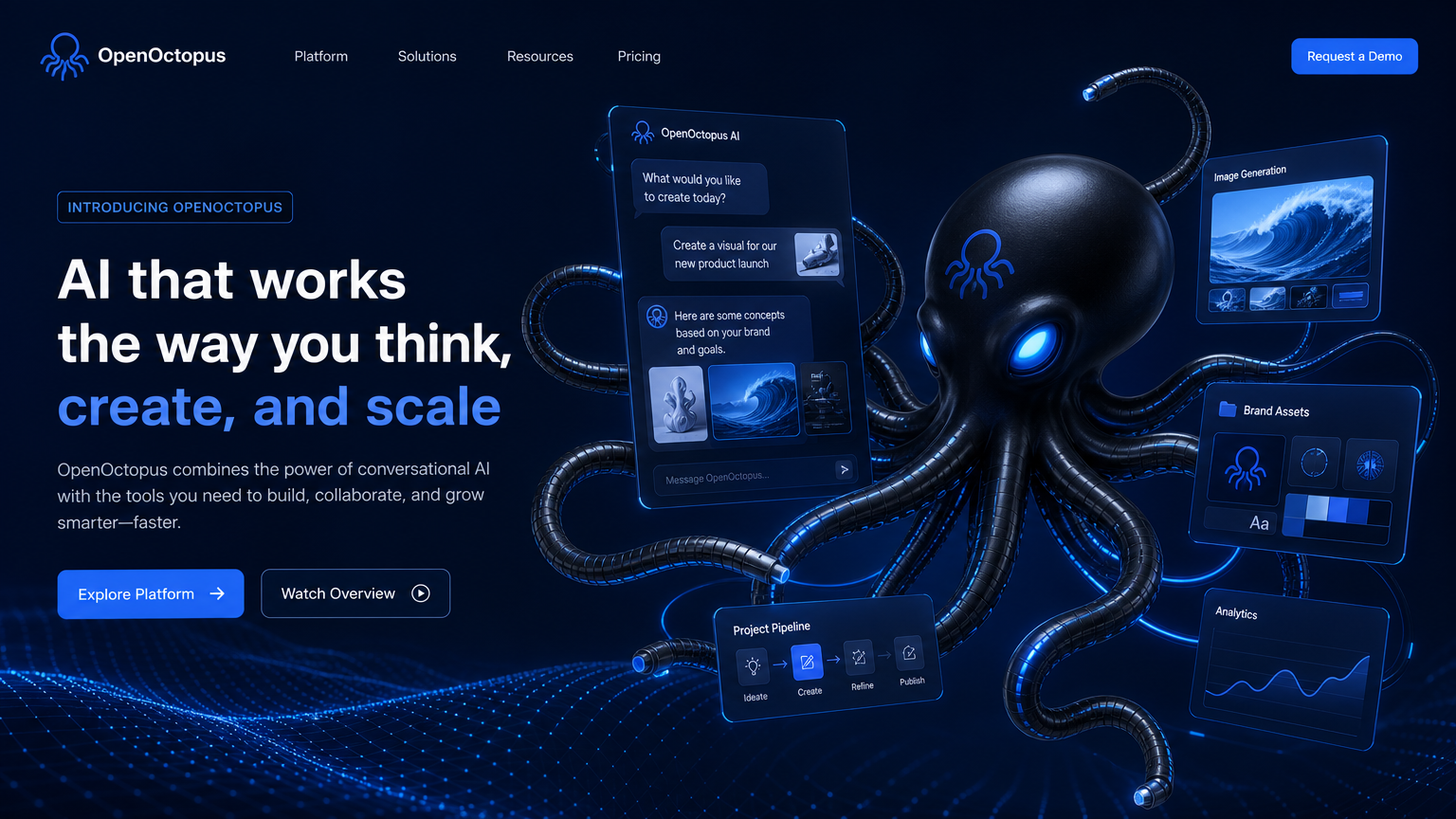
Sleek black octopus with glowing blue cable-tentacles orchestrating advanced image editing API workflows, futuristic OpenOctopus tech infrastructure aesthetic

Nano Banana Pro API at a glance

Gemini 3 Pro Image
Google's most advanced native image editing architecture
OpenAI-compatible
Drop-in SDK integration with existing codebases
Multi-turn editing
Conversational refinement through successive API calls
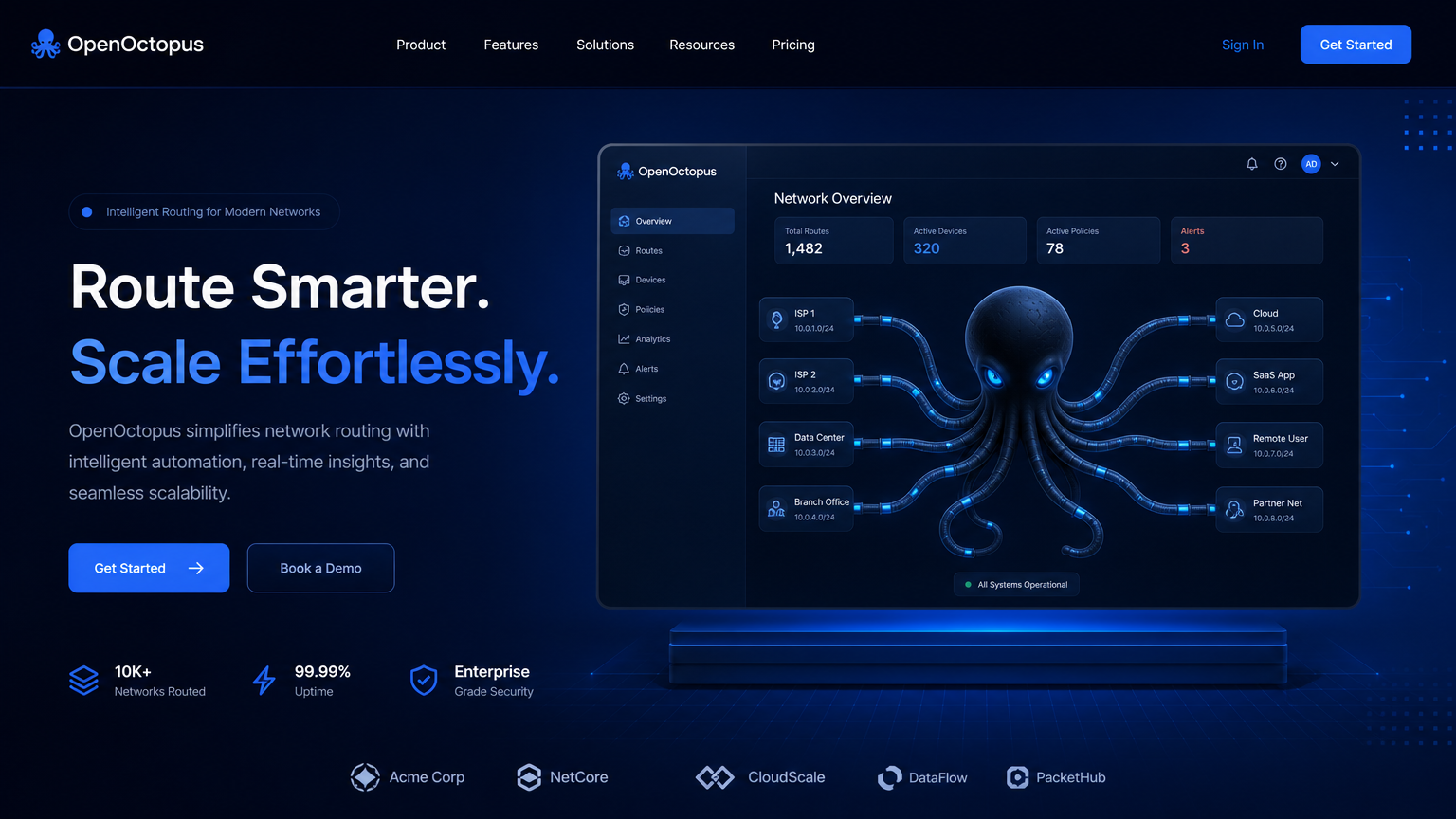
Clean blue API routing architecture diagram showing request flow through OpenOctopus to Gemini 3 Pro Image, infrastructure visualization with octopus nodes

Why direct Gemini integration breaks at production scale

Teams prototyping with Google's image APIs often find the development experience smooth during initial testing. The friction emerges when traffic scales. Gemini API rate limits, variable latency during peak hours, and complex token-based pricing create operational overhead that slows product launches and inflates engineering costs.

Direct integration with Gemini 3 Pro Image requires managing Google Cloud project configuration, Vertex AI endpoint setup, or Gemini API key rotation across environments. Each provider path has different pricing tiers, latency profiles, and availability guarantees. When primary routes experience degradation, failover logic must be built, tested, and maintained — a significant investment for teams whose core competency is not infrastructure engineering.

As Google Cloud documentation notes, Gemini 3 Pro Image supports regional modifications and subject-aware generation. However, accessing these at production scale requires queue management, retry logic, and cost monitoring that most teams lack bandwidth to build.

OpenOctopus routes requests through optimized infrastructure with automatic failover, transparent pricing, and unified authentication. The same REST patterns your team uses work without rewrites — change the base URL and API key, and your nano banana pro pipelines gain production resilience overnight.

Structured blue integration workflow diagram showing SDK configuration, request routing, and response handling stages, technical developer aesthetic

How the integration works

Integrating this API follows a straightforward pattern that preserves existing code while adding production-grade reliability.

Step 1: Authentication. Create an OpenOctopus account and generate an API key. The same key authenticates requests across text, image, and video models.

Step 2: SDK Configuration. Update your HTTP client or OpenAI SDK initialization to point at OpenOctopus endpoints. The request schema matches standard Gemini Image Generation API format.

Step 3: Image Generation. Submit text prompts through the unified endpoint. OpenOctopus routes requests to optimal infrastructure, handles rate limits transparently, and returns images in your requested format.

Step 4: Editing Workflows. Upload base images and describe modifications in natural language. Nano Banana Pro supports inpainting, outpainting, regional editing, and style transfer through the same endpoint.

Step 5: Monitoring. Track per-request costs, latency distributions, and usage through unified dashboards. Identify which workloads consume the most tokens and optimize prompt strategies.

Step 6: Scale with confidence. As volume grows, OpenOctopus routing automatically distributes load across provider infrastructure.

Core capabilities

1

Text-to-image generation

High-quality image synthesis from detailed prompts with strong composition control

2

Reference-based editing

Apply modifications using uploaded images as style or content references

3

Inpainting and outpainting

Remove, add, or extend image regions with context-aware fill

4

Regional modification

Edit specific areas while preserving surrounding visual structure

5

Style transfer

Transform images between artistic styles while maintaining subject identity

6

Multi-turn refinement

Iterative editing through successive API calls with context preservation

7

Subject consistency

Maintain character, product, or object identity across multiple generations

8

OpenAI-compatible SDK

Drop-in integration with Python, Node.js, and REST API patterns

Nano Banana Pro vs competitors

The professional image generation market segments by capability, accessibility, and cost structure. Understanding where nano banana pro fits helps teams select the right backend.

DimensionNano Banana ProGPT-Image-2Midjourney V7Adobe Firefly 4
ArchitectureNative multimodalDiffusion modelDiffusion modelDiffusion + filters
Prompt adherenceExcellentStrongModerateModerate
Subject consistencyStrongModerateGoodModerate
Text renderingGoodStrongPoorGood
Multi-turn editingNativeLimitedNoneLimited
API accessibilityExcellentGoodLimitedGood
Commercial licensingGoogle termsOpenAI termsCommercial planAdobe ecosystem
EcosystemGemini / VertexOpenAIDiscord / APICreative Cloud

vs GPT-Image-2

GPT-Image-2 excels at high-quality generation with strong text rendering. This model counters with superior multi-turn editing and tighter Google multimodal integration. For iterative workflows — product photography, marketing variations, or creative exploration — nano banana pro eliminates round-trips between generation and editing services.

vs Midjourney V7

Midjourney dominates artistic quality. However, its API lacks native multi-turn editing and requires Discord-based workflows that do not scale for enterprise use. This API provides the programmatic control production applications demand.

vs Adobe Firefly 4

Firefly integrates tightly with Adobe's creative suite but requires ecosystem commitment. This model offers broader platform independence through standard Gemini API access. For teams not embedded in Adobe workflows, it provides comparable editing with lower vendor lock-in.

For detailed technical analysis, read our Nano Banana Pro: Gemini-3-Pro-Image-Preview Review. Teams evaluating interactive editing tools should explore Nano Banana Pro: Edit Images with AI Online.

Pricing and cost reality

Transparent pricing enables sustainable production deployments. According to Google Blog - Introducing Nano Banana Pro, this model shares Gemini Image series pricing with platform-specific variations.

Cost ComponentEstimated RatePractical Impact
Standard generation~$0.039–$0.060 / image1024×1024 base output
High-resolution outputHigher tierUp to 1536×1536 or 4K depending on version
Multi-turn editingPer-output billingEach refinement round counts as separate generation
Vertex AI tier~$15–$30 / 1M output tokensEnterprise pricing with committed use discounts
Pro version premiumVariableHigher quality, stronger consistency guarantees

A typical nano banana pro workflow generating and editing 1,000 images daily costs approximately $40–$60 at standard pricing. Multi-turn editing triples consumption.

Teams should implement caching for repeated requests. Compared to manual designer workflows at $50–100 per hour, automated editing delivers 15–30x cost reduction.

Abstract blue geometric pricing bars comparing manual design, basic API, and Pro API costs, clean data visualization aesthetic

When to use this API (and when to avoid it)

excels at:

  • E-commerce product optimization: Background replacement, lighting adjustment, and styling variations
  • Advertising asset production: Batch creation of campaign imagery with consistent brand elements
  • Brand marketing visuals: Multi-turn refinement of promotional graphics and identity materials
  • Social media creative tools: Rapid generation of platform-optimized visuals
  • AI-powered photo retouching: Automated color correction, object removal, and composition adjustments
  • Portrait and character editing: Conversational refinement with consistency control
  • Design workflow integration: Programmatic generation within Figma, Canva, or custom tools

struggles with:

  • Medical imaging: Clinical use requires specialized tools with regulatory approval
  • Legal evidence photographs: Chain of custody demands certified tools
  • Industrial CAD: Engineering precision falls outside training distribution
  • Strict factual accuracy: Applications where generated details affect safety or legal decisions
  • Bulk low-cost content farms: Per-image pricing becomes expensive at massive scale
  • Long-form sequential comics: Multi-panel consistency remains challenging

The unsuitable scenarios highlight an essential truth: this API is a powerful creative engine for commercial visual workflows, not a replacement for specialized professional tools in regulated domains.

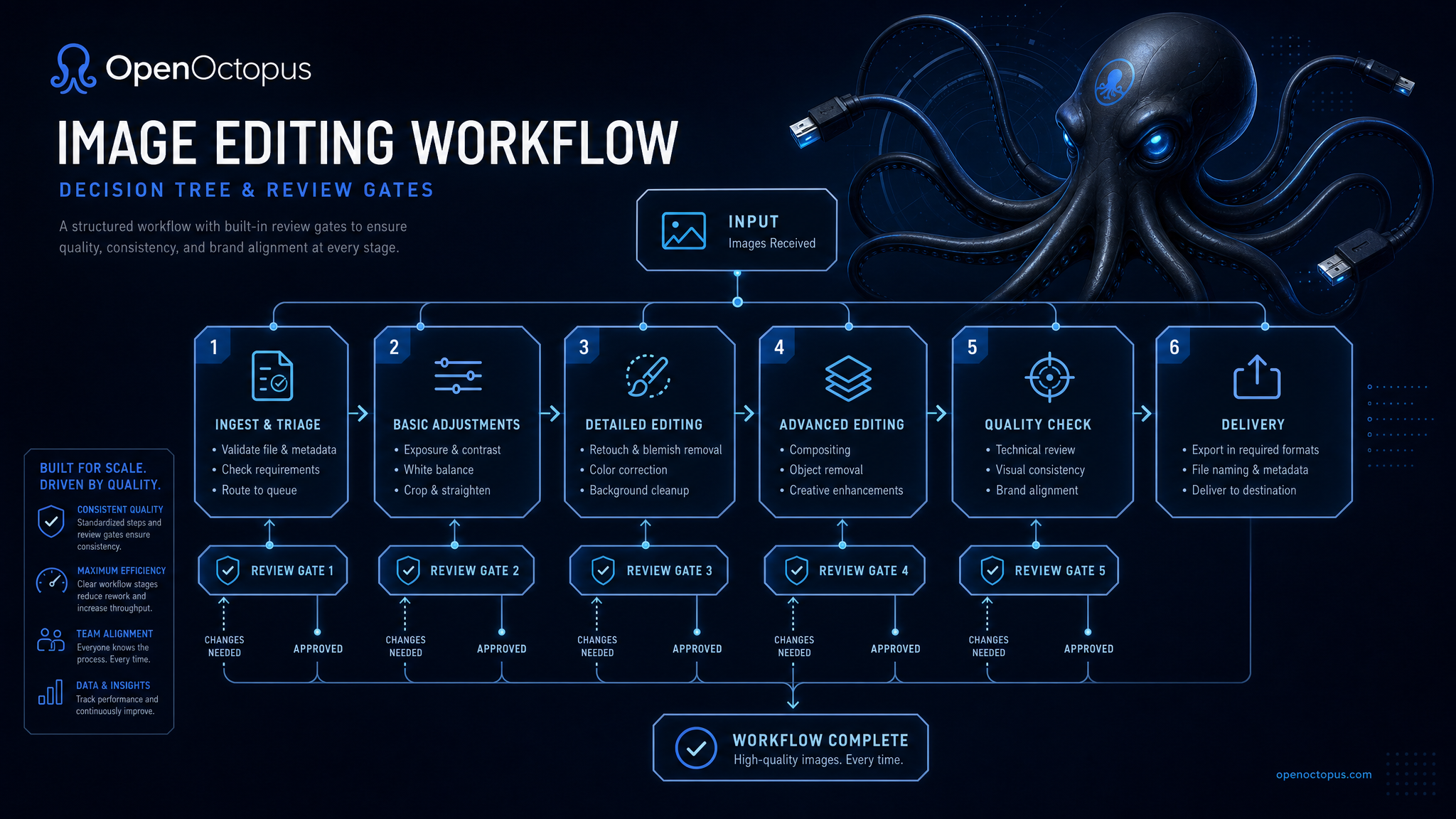
Structured blue decision flowchart showing appropriate API use cases, clean infographic aesthetic

Frequently asked questions

Nano Banana Pro is the production API for Gemini 3 Pro Image — the most advanced native image editing and generation in the series. It supports text-to-image creation, reference-based editing, multi-turn refinement, and regional modifications.

Start building with Nano Banana Pro API today

Integrate advanced image editing and generation into your application with a single API. Access this model through OpenOctopus for stable routing, transparent pricing, and production-ready infrastructure. Register now and receive $1 as an experience fund.