Nano Banana 2 API
Fast Image Generation & Editing for Developers
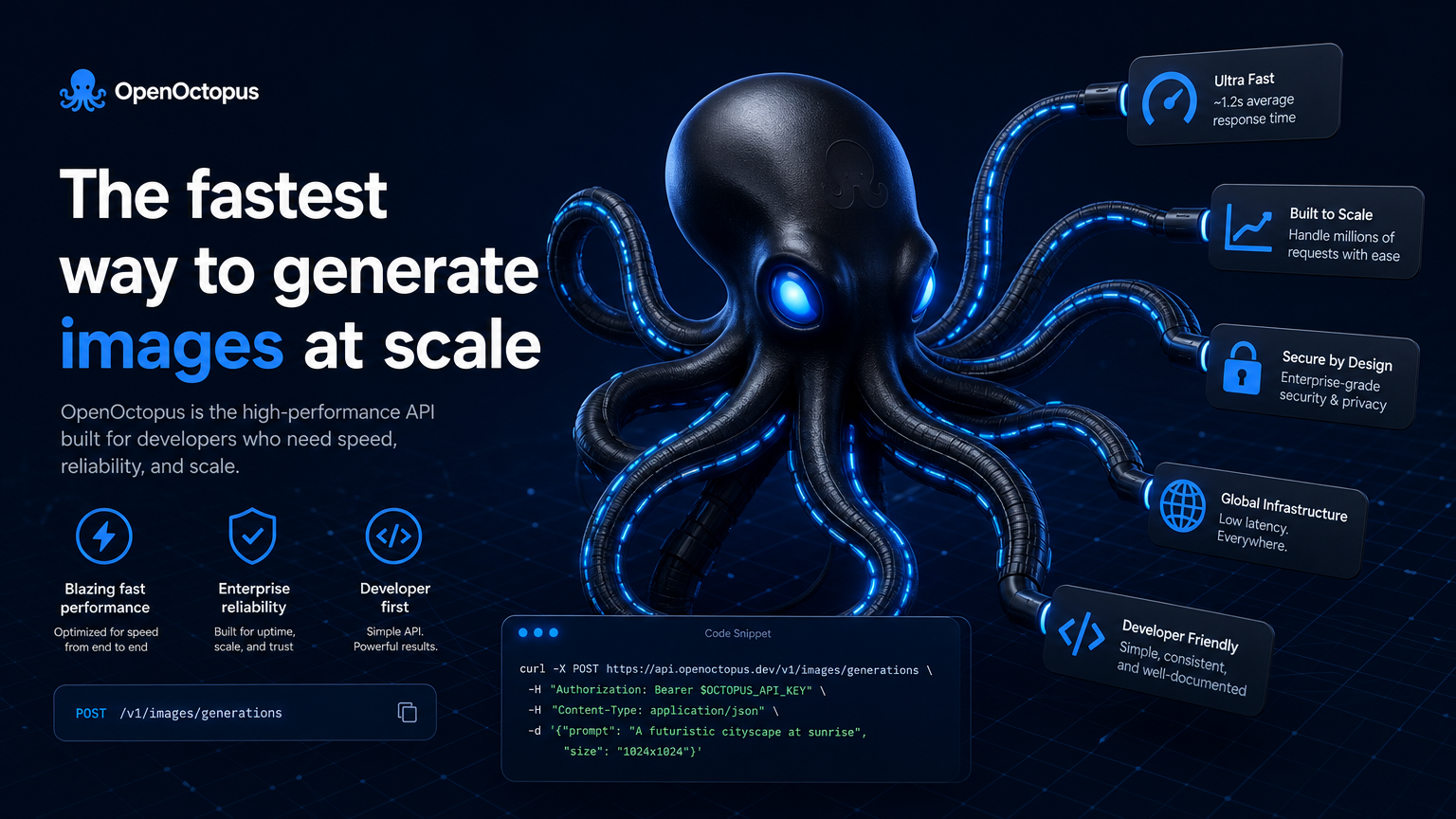
Speed matters in production image generation. Users abandon workflows that take too long. Marketing teams miss deadlines waiting for batch outputs. Creative tools lose engagement when every edit requires a coffee break. Nano Banana 2 API solves this by delivering Google's fastest native image generation and editing model — Gemini 3.1 Flash Image — through low-latency, production-ready endpoints.

Nano Banana 2 API at a glance

Why image generation latency kills user engagement
Every millisecond of latency in a creative tool translates directly into user friction. When a designer waits 15–20 seconds for each image variation, exploration slows to a crawl. When a marketer generates twenty campaign assets, batch delays compound into missed deadlines. When a photo editor applies a style transfer, real-time feedback disappears.
Nano Banana 2 was built specifically to address this speed problem. As Google Blog - Build with Nano Banana 2 explains, the model targets developers who need Pro-quality image generation at Flash-level speed. The architecture optimizes inference paths for rapid turnaround while maintaining strong prompt adherence and visual coherence.
Direct integration with Gemini 3.1 Flash Image through Google's official channels introduces familiar operational challenges. Rate limits vary by platform — Google AI Studio, Gemini API, and Vertex AI each have different throughput ceilings and pricing models. Teams must manage authentication across environments, handle provider-specific error codes, and build retry logic for peak-hour degradation.
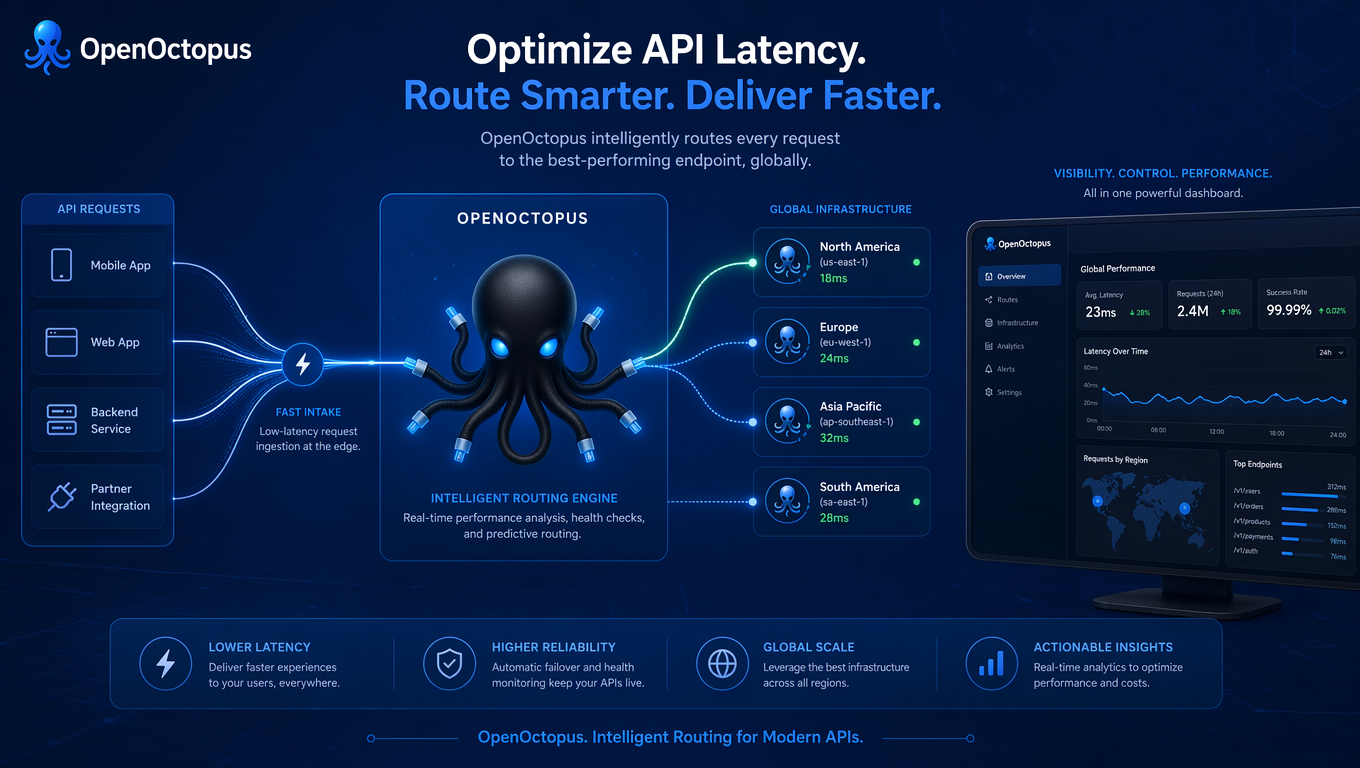
OpenOctopus unifies these fragmented provider paths into a single nano banana 2 api endpoint. One API key, one SDK, one billing dashboard — with automatic routing that selects the fastest available provider path for each request. Your application gains speed without inheriting operational complexity.

How the Nano Banana 2 API integration works
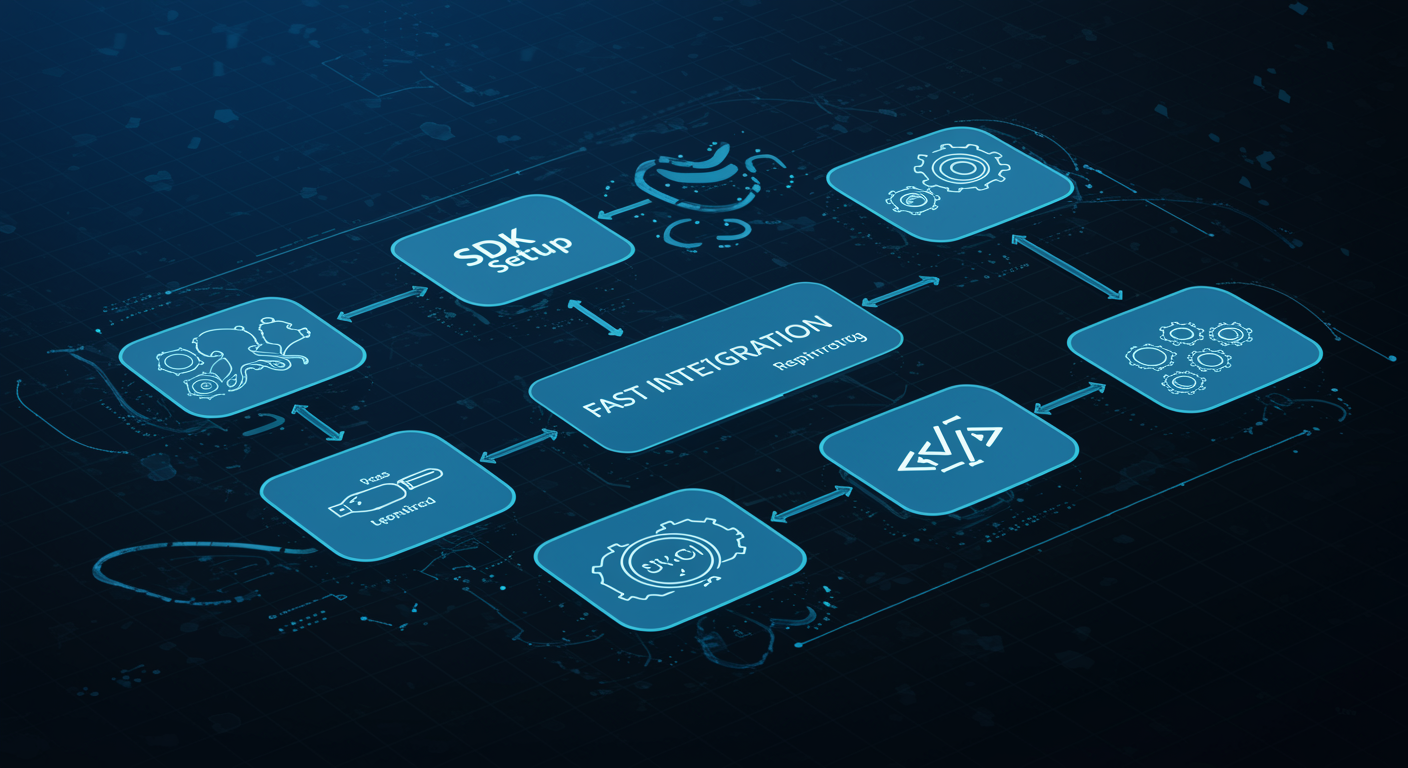
Integrating this API follows a developer-friendly pattern designed for rapid implementation and production scaling.
Step 1: Authentication. Generate a single OpenOctopus API key. The same credentials authenticate requests across text, image, and video models — eliminating the need for separate Google Cloud project setup.
Step 2: SDK Configuration. Point your existing HTTP client or OpenAI SDK at OpenOctopus endpoints. The request schema for nano banana 2 api matches standard Gemini Image Generation API format, ensuring your parsing logic works without modification.
Step 3: Fast Generation. Submit text prompts or image editing requests through the unified endpoint. OpenOctopus routes to the lowest-latency Gemini 3.1 Flash Image provider path, handles rate limits transparently, and returns images in your requested format and resolution.
Step 4: Editing Workflows. Upload base images and request modifications — object removal, pose adjustment, background changes, or style transfer. The API processes edits through the same fast inference pipeline used for generation.
Step 5: Monitor and Optimize. Track per-request latency, token costs, and success rates through unified dashboards. Identify which prompt patterns generate fastest and which resolutions deliver the best cost-quality balance.
Core capabilities of Nano Banana 2 API
Text-to-image generation
Fast synthesis from detailed prompts with composition and style control
Reference-based editing
Modify images using uploaded references for style or content guidance
Object removal and inpainting
Remove unwanted elements with context-aware background fill
Pose and scene adjustment
Reposition subjects and modify environmental context
Subject consistency
Maintain character or product identity across multiple generations
In-image text generation
Embed headlines, labels, and signage — accuracy varies by complexity
Multi-turn visual iteration
Refine outputs through successive API calls with context preservation
Up to 4K resolution
High-resolution output for commercial-quality visual assets
Nano Banana 2 pricing and cost structure
Transparent pricing enables sustainable production deployments. According to third-party platform data, nano banana 2 pricing typically ranges from $0.04–$0.15 per image depending on resolution and provider platform. The variation reflects differences between Google AI Studio, Gemini API, and Vertex AI pricing tiers.
| Cost Component | Estimated Rate | Practical Impact |
|---|---|---|
| 1K resolution output | ~$0.04–$0.06 / image | Standard social media and web assets |
| 2K resolution output | ~$0.08–$0.10 / image | Marketing materials and presentations |
| 4K resolution output | ~$0.12–$0.15 / image | High-quality commercial and print assets |
| Multi-turn editing | Per-output billing | Each iteration counts as separate generation |
| Vertex AI enterprise | Variable with discounts | Committed use pricing at volume |
According to Nano Banana image generation – Gemini API documentation, Google's official pricing structures costs around output tokens rather than flat per-image rates. A typical 1024×1024 image consumes approximately 1,290 output tokens. At standard rates, this translates to roughly $0.039 per image for base resolution. Higher resolutions consume proportionally more tokens, driving costs upward for 2K and 4K outputs.
The critical cost consideration for production teams is resolution selection. A nano banana 2 workflow generating 1,000 images daily at 1K resolution costs approximately $40–$60. The same volume at 4K resolution jumps to $120–$150 daily. Teams should implement resolution-aware caching — storing generated assets at multiple sizes — and consider whether every use case requires maximum resolution.
Compared to manual designer workflows at $50–100 per hour, automated image generation with this API delivers 20–40x cost reduction for volume asset production. Compared to subscription-based tools, per-image pricing offers better cost predictability for variable workloads.

When to use Nano Banana 2 API (and when to avoid it)
This API excels at:
- Social media content creation: Rapid generation of platform-optimized visuals with fast turnaround
- E-commerce product imagery: Batch creation of catalog assets with consistent lighting and backgrounds
- Advertising asset production: Campaign visuals with multi-resolution output for different ad formats
- Marketing posters and infographics: Text-aware layouts with style-controlled outputs
- Avatar and portrait generation: Fast creation of character visuals with consistency control
- Creative exploration and prototyping: Rapid iteration on visual concepts without restarting workflows
- AI-powered photo editing: Object removal, background replacement, and style adjustments
- Visual design tools: Programmatic image generation embedded in Figma plugins, Canva apps, or custom editors
This API struggles with:
- Medical and legal imagery: Clinical and forensic use requires specialized tools with regulatory certification
- Strict industrial CAD: Engineering precision falls outside the model's training distribution
- Pixel-perfect brand compliance: Exact logo placement, Pantone matching, and corporate guidelines need manual verification
- Bulk low-cost content farms: Per-image pricing becomes expensive at massive scale compared to self-hosted models
- Long-form sequential comics: Multi-panel narrative consistency remains challenging across extended generations
- Unauthorized face and portrait editing: Copyright and portrait rights risks require human review pipelines
- Fully controlled commercial licensing: Generated image rights vary by platform and use case
The unsuitable scenarios reveal an important boundary: nano banana 2 is a powerful creative accelerator for fast visual workflows, not a replacement for specialized tools in regulated or precision-critical domains.

Frequently asked questions about Nano Banana 2 API
Start building with Nano Banana 2 API today
Integrate fast image generation and editing into your application with a single API. Access Nano Banana 2 through OpenOctopus for stable routing, transparent pricing, and production-ready infrastructure. Register now and receive $1 as an experience fund.