
Edit Photo with AI
Smart image transformation with Nano Banana Engine
Use this workflow to edit photo with AI in one continuous motion: upload an image, describe the change, preview the result, and export or automate it. Powered by Nano Banana Edit, the engine understands the subject, scene, and structure of your photo before generating the edit, so you can replace backgrounds, clean up products, adjust lighting, and create campaign variants without masks or design software. It is built for teams that need to edit photo with AI at speed—e-commerce catalogs, marketing assets, social content, and brand refreshes. Start in the playground to test prompts visually, then move the same pattern to the API when your workflow needs repeatable automation.
Start with $1 credit.
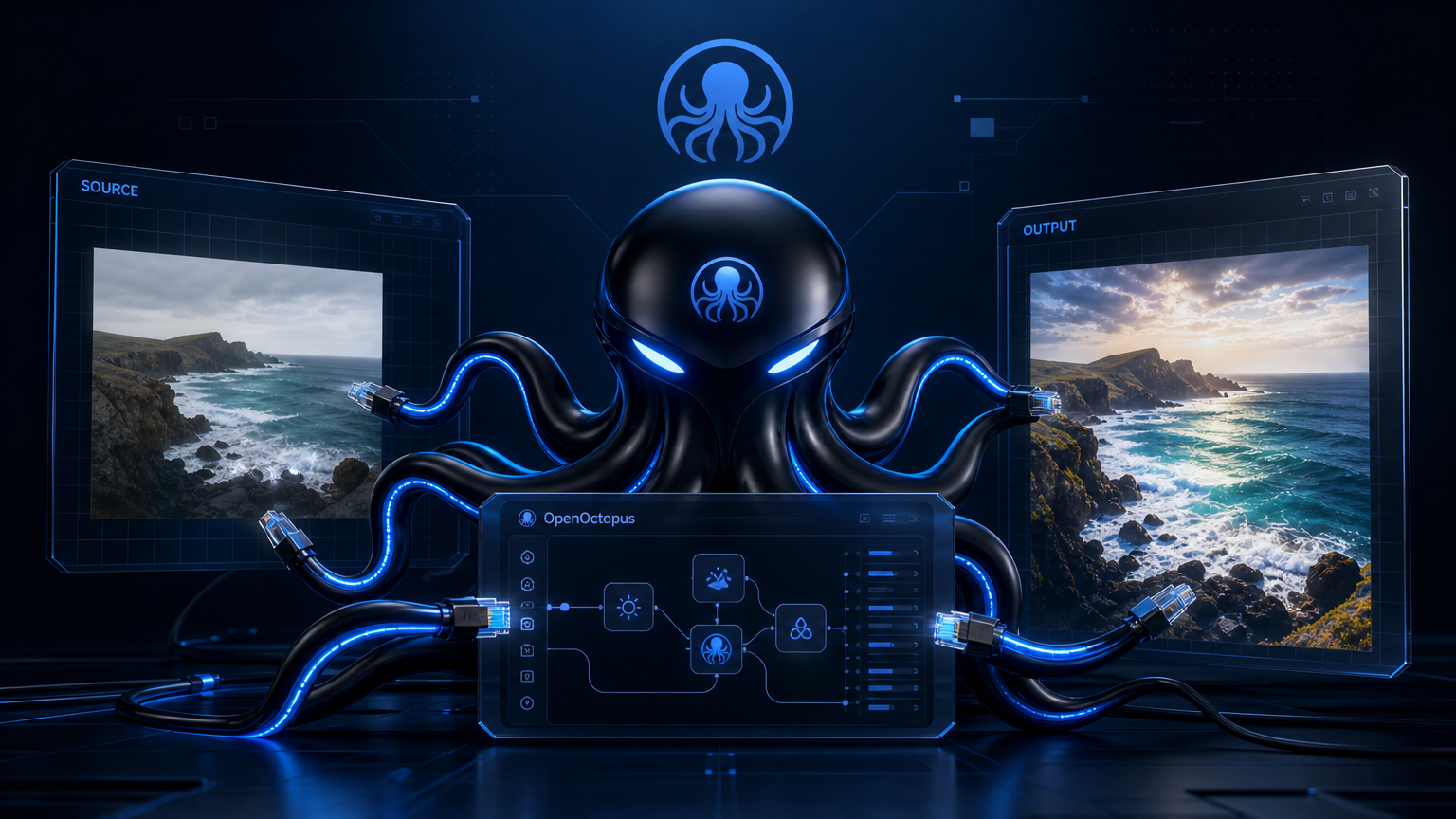
AI photo workflow snapshot
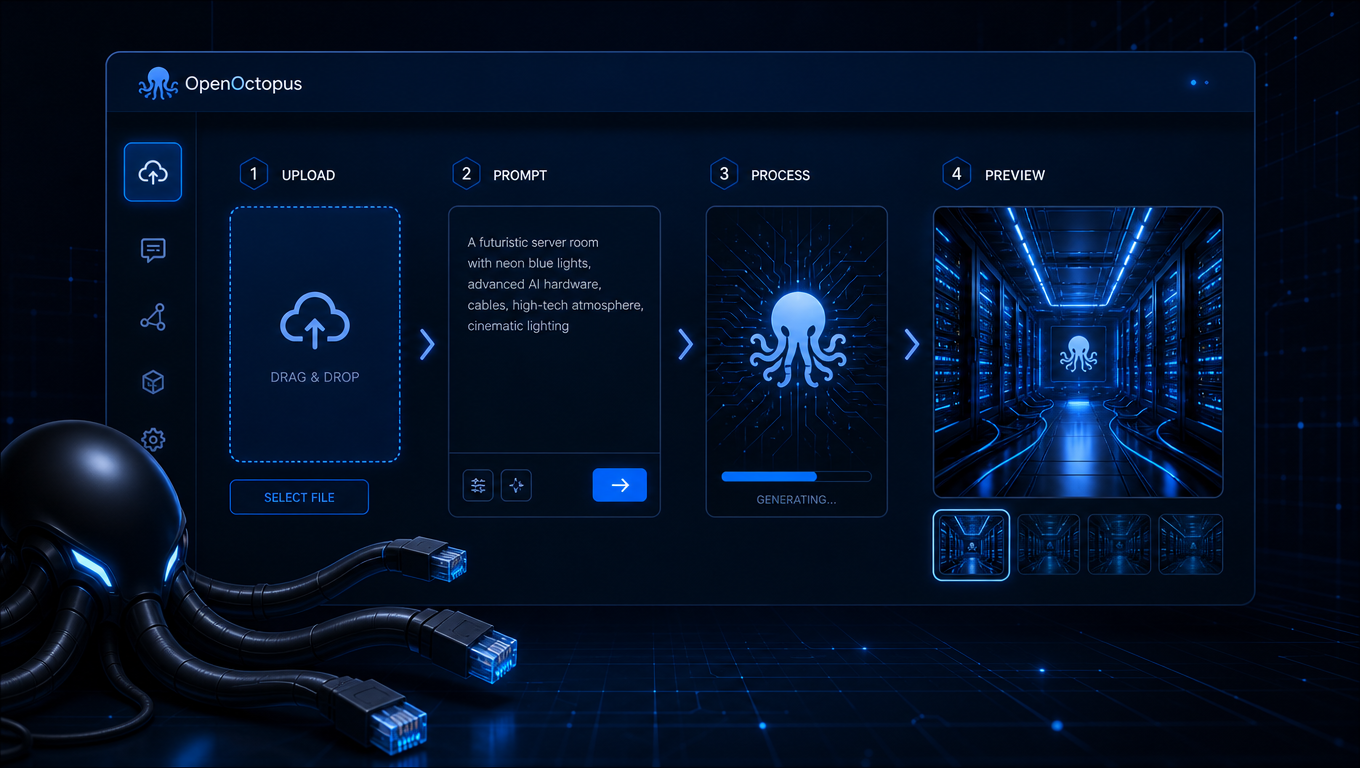
A workflow to edit photo with AI
Most people who want to edit photo with AI need more than a filter. They need a repeatable path from raw image to approved asset. This workflow centers on four stages: upload, describe, transform, export. When you edit photo with AI this way, you stop adjusting pixels and start editing intent. Nano Banana Edit reads the subject, lighting, and spatial relationships in your image, then generates the change while preserving identity.
Google DeepMind's Gemini image page explains the multimodal transformer architecture that combines visual encoding and generation in one call, and Google's Gemini image editing update notes how compound instructions are handled as structured plans rather than independent edits. For a deeper look at structuring inputs, see the Nano Banana usage workflow guide.
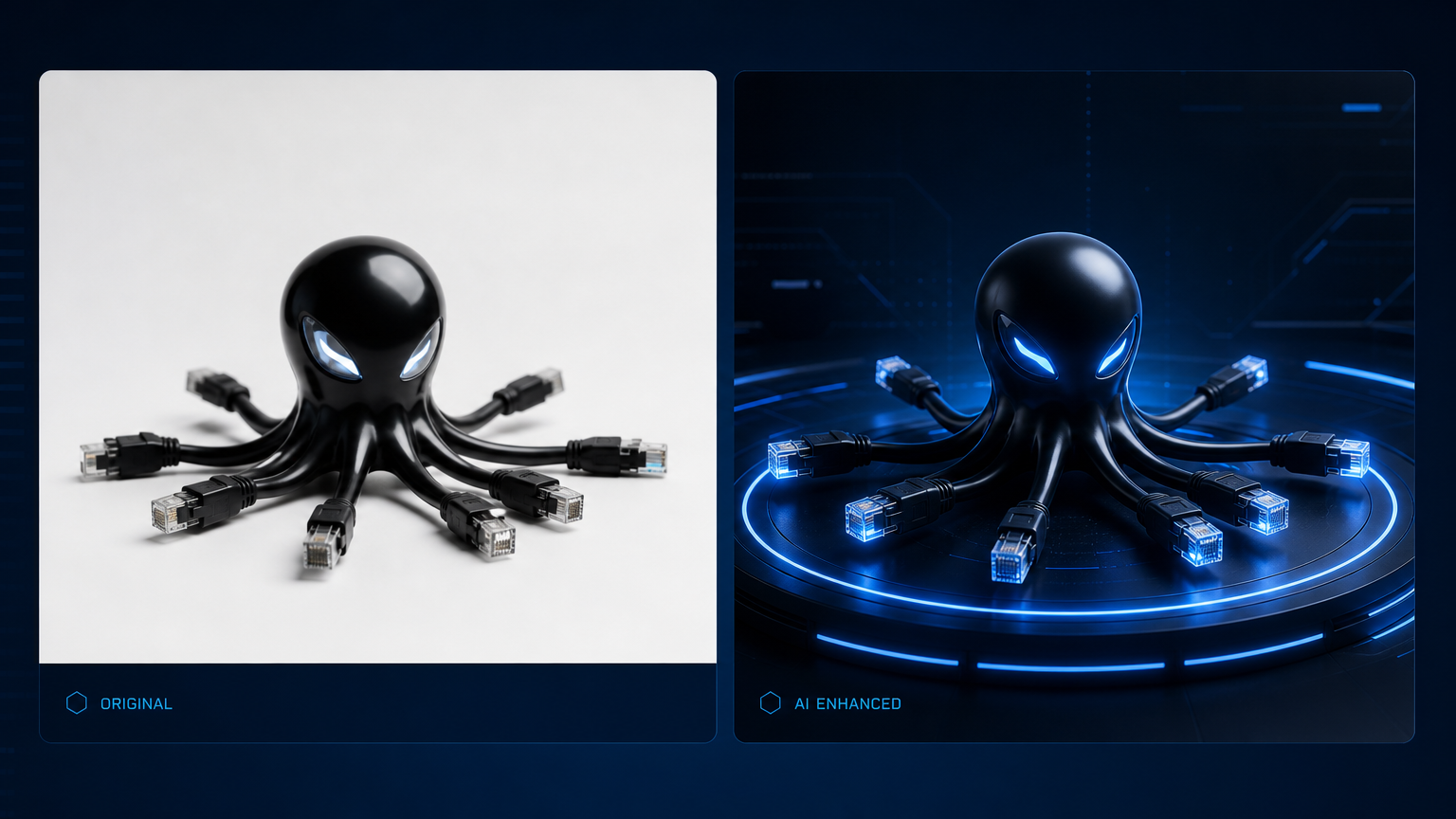
Four stages of transformation
Upload. Start with a JPG, PNG, or WebP that shows the subject clearly.
Describe. Say what should change and what must stay the same.
Transform. Preview the AI-edited version and compare it to the brief.
Export or automate. Download the asset, or move the prompt pattern to the API for batch production.
This staged approach keeps edits reviewable. It is the same pattern teams use when they need to edit photo with AI at scale: define the guardrails once, then run them repeatedly. Every time you edit photo with AI through this pipeline, you compare the output against the brief, not generic beauty. To understand how Nano Banana processes visual data before generating output, read the Gemini Flash Image analysis.
What to edit first when you edit photo with AI
Background replacement
Move products into branded or seasonal scenes
Object removal
Clean up clutter, reflections, and distractions
Product cleanup
Improve lighting, background, and presentation
Portrait enhancement
Adjust lighting and framing for profile shots
Style conversion
Turn photos into editorial, cinematic, or illustrated looks
Ad creative variants
Generate campaign assets from approved hero images
Catalog standardization
Keep brand consistency across hundreds of SKUs
API handoff
Scale proven edits through automated pipelines
Prompt patterns that work
The best way to edit photo with AI is to name what changes and what stays the same. Replace vague requests like "make it better" with specific briefs: "keep the stainless steel bottle, replace the background with a walnut table and morning window light." State the subject, the change, and the final use case. When you edit photo with AI, specificity protects identity. Use the playground to validate one edit at a time; multi-part instructions increase drift. When a pattern is stable, hand it to the API for batch catalog work or product integrations.
Best fit and boundaries
This workflow is best for business visuals that need structure-aware edits at speed: e-commerce assets, marketing creatives, social content, and brand refreshes. It is less suited for pixel-perfect retouching, medical imaging, precise typography, or free-form artistic exploration. Teams that edit photo with AI for production should add review gates for logos, text, faces, and regulated content before publication.
Edit Photo with AI FAQ
Edit photo with AI today
Upload an image, describe the change, and see the transformation in seconds. When the workflow is ready, you can edit photo with AI at scale by connecting the same pattern to your product or catalog pipeline through the API.
Start with $1 credit.