AIFaceSwap API
High-Quality Face Swap for Developers and Creative Platforms
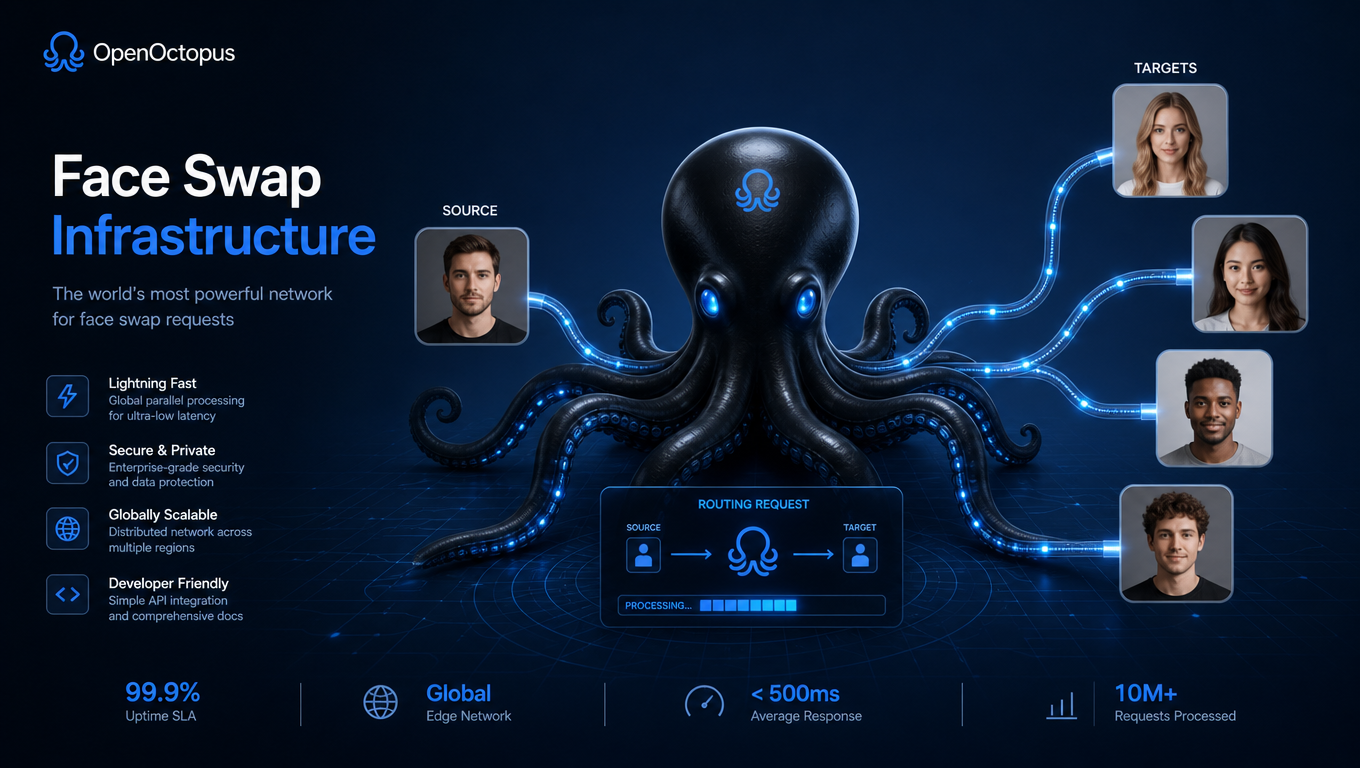
Building a face swap feature from scratch requires solving three hard problems: detecting faces with precision, preserving identity through transfer, and blending results so naturally that viewers cannot tell the difference. The aifaceswap API handles all three through a single endpoint — delivering commercial-grade portrait transfer without the engineering overhead of training custom models or managing GPU inference clusters.

AIFaceSwap API at a glance

Why portrait transfer quality matters for product teams
Low-quality face swap tools produce results that users immediately reject. Visible seams around hairlines. Mismatched skin tones that create an obvious mask effect. Distorted facial features that break the illusion of authenticity. These failures destroy user trust and make face swap features feel like gimmicks rather than professional tools.
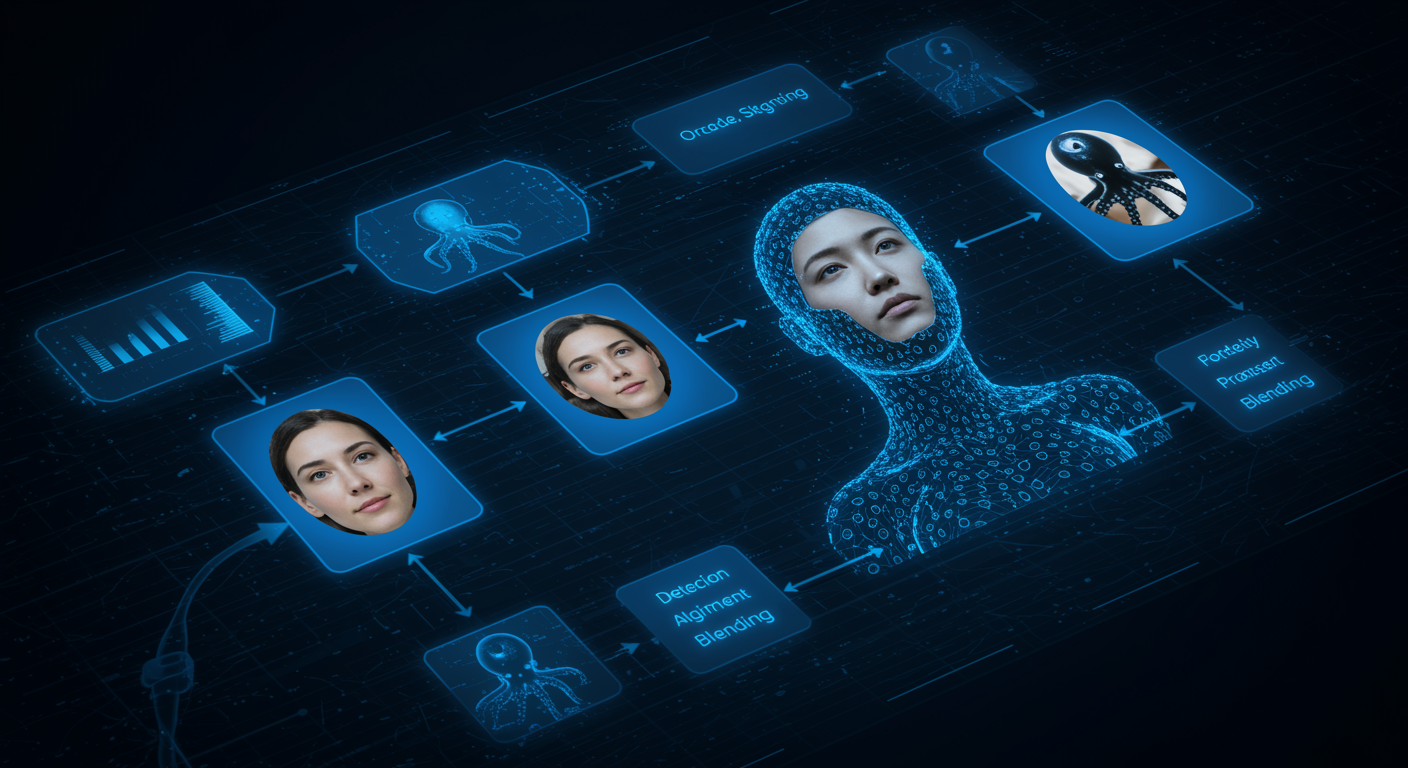
The aifaceswap API addresses these quality failures through a multi-stage processing pipeline. Face detection locates facial landmarks with sub-pixel precision. Identity extraction captures distinctive features while preserving the target's expression and pose. Blending algorithms match skin texture, lighting direction, and color temperature between source and target images. The result is output that withstands close inspection — suitable for professional marketing materials and commercial creative workflows.
According to WaveSpeedAI's blog introducing Image Face Swap Pro, the Pro variant achieves measurably better edge fusion and skin-tone consistency than the base face swap model — improvements that directly translate to higher user satisfaction and lower rejection rates in production applications.
For teams comparing face swap solutions, our Face Swap Pro Review: Quality, Pricing & Limits provides detailed benchmark analysis and competitor comparison.

How the AIFaceSwap API integration works
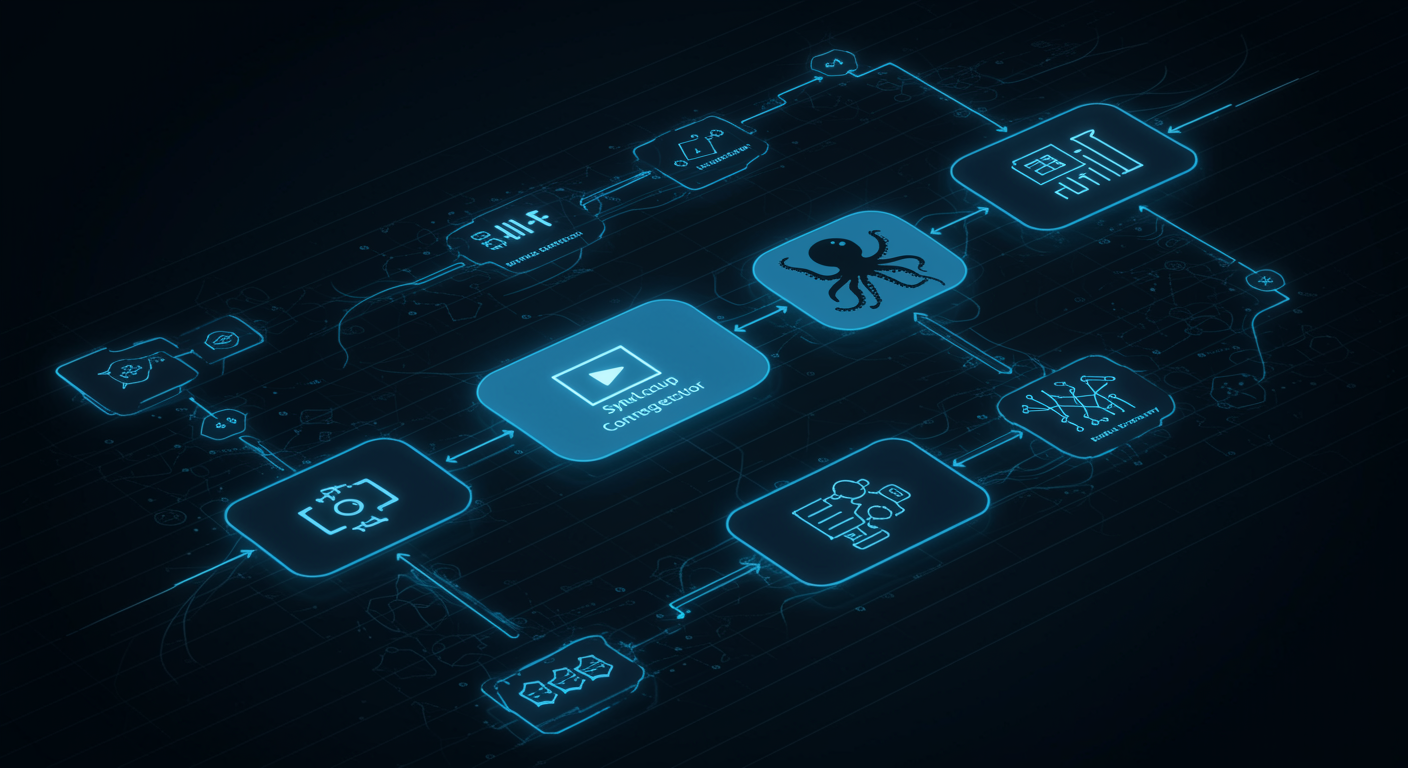
Integrating face swap capabilities into your application follows a straightforward three-step pattern.
Step 1: Submit source and target images. Upload the source portrait containing the face to transfer, and the target image where the face should appear. The aifaceswap API accepts standard image formats including JPG, PNG, and WebP.
Step 2: Configure generation parameters. Specify quality level, output resolution, and optional face enhancement settings. The API handles face detection, landmark alignment, and identity extraction automatically.
Step 3: Receive results via webhook or polling. The aifaceswap API processes generation asynchronously and delivers results through your preferred channel. Results include the swapped image and processing metadata for logging and debugging.
Core capabilities of AIFaceSwap API
Single-person face swap
Transfer identity from source portrait to target image with natural blending
Expression preservation
Maintain the target photo's original expression, pose, and gaze direction
Skin-tone matching
Automatic color and texture harmonization between source and target
Edge fusion
Seamless blending around hairlines, facial contours, and clothing boundaries
High-resolution output
Commercial-grade image quality suitable for print and digital campaigns
Async processing
Non-blocking generation with webhook callbacks and status polling
Batch operations
Process multiple face swap jobs through unified queue management
Content-ready output
No watermarks or attribution requirements for generated images
AIFaceSwap pricing and cost structure
Transparent per-run pricing makes cost forecasting simple for production workloads. According to WaveSpeedAI pricing documentation, the aifaceswap API operates on a straightforward usage model without hidden fees or minimum commitments.
| Cost Component | Rate | Practical Impact |
|---|---|---|
| Standard face swap | ~$0.025 / run | 1,000 generations cost ~$25 |
| High-resolution output | Same rate | No premium for larger output sizes |
| Batch processing | Per-run pricing | 100 parallel jobs cost proportionally |
| Webhook delivery | Included | No separate notification charges |
| Failed generation | No charge | Only successful outputs are billed |
A typical content platform generating 500 face swaps daily costs approximately $12.50 daily or $375 monthly. Compared to self-hosting face swap infrastructure — which requires GPU instances, model licensing, and DevOps overhead costing thousands monthly — the aifaceswap API eliminates fixed infrastructure costs entirely.
For detailed pricing comparison against competitors, see our Face Swap Pro Review: Quality, Pricing & Limits.

When to use AIFaceSwap API (and when to avoid it)
This API excels at:
- Marketing creative tools: Ad mockups, campaign visuals, and personalized promotional content
- Social media platforms: User-generated face swap content with consistent output quality
- Entertainment applications: Avatar creation, character customization, and playful photo editing
- Photography workflows: Client previews, compositing assistance, and creative direction exploration
- E-commerce personalization: Virtual try-on experiences and product visualization
- Content creation suites: Integrated face swap features within broader creative tool platforms
This API struggles with:
- Deepfake and deception: Any application intended to mislead viewers about identity or authenticity
- Identity fraud: Impersonation, unauthorized use of real individuals' likenesses, or credential forgery
- Political manipulation: Creating synthetic media featuring public figures for misleading purposes
- Multi-person scenes: Complex group photos with multiple faces requiring simultaneous swapping
- Severe occlusion: Faces heavily covered by masks, hands, or objects may produce incomplete results
- Extreme angles: Profile or heavily tilted faces may reduce transfer accuracy
- Document and ID photos: Official identification, passport photos, or legally binding imagery
The boundary is clear: the aifaceswap API serves legitimate creative, marketing, and entertainment applications where users consent to face swap functionality. Any use case involving deception, fraud, or non-consensual identity manipulation is strictly inappropriate.

AIFaceSwap vs competitor APIs
The face swap API market includes several alternatives with distinct capability profiles. Understanding these differences helps teams select the right solution.
| Dimension | AIFaceSwap (Face Swap Pro) | Akool Face Swap | FaceFusion | InsightFace Swap |
|---|---|---|---|---|
| Deployment | Managed API | Managed API | Self-hosted | Self-hosted |
| Pricing | ~$0.025 / run | Variable | Free (self-hosted) | Free (self-hosted) |
| Quality | Commercial-grade | Good | Moderate | Moderate |
| Speed | Seconds (async) | Seconds | Minutes (local GPU) | Minutes (local GPU) |
| Integration | REST API + webhooks | REST API | Python scripts | Python scripts |
| Skin-tone matching | Strong | Moderate | Basic | Basic |
| Edge fusion | Strong | Moderate | Basic | Basic |
| Best use case | SaaS integration | Marketing campaigns | Hobbyist projects | Research |
AIFaceSwap's managed API model eliminates infrastructure overhead that self-hosted alternatives require. While FaceFusion and InsightFace offer free usage, the hidden costs of GPU hosting, model maintenance, and DevOps time typically exceed managed API pricing for production workloads. Akool provides comparable managed service but with less transparent pricing structure.
For comprehensive competitor analysis, see our Face Swap Pro Review: Quality, Pricing & Limits.
Real engineering issues in production
Deploying the aifaceswap API at scale reveals six challenges:
1. Content moderation requirements. Face swap capabilities carry inherent abuse risk. Production systems must implement content filters, usage policies, and user verification before allowing face swap generation.
2. Portrait rights and authorization. Users must have explicit rights to both source and target images. Implement upload verification and terms of service acceptance before processing.
3. Side-angle and occlusion failures. Non-frontal faces or partially covered faces produce lower-quality results. Implement pre-submission validation to detect problematic inputs.
4. Batch queue management. High-volume platforms require job queuing, prioritization, and timeout handling to prevent request pileup during peak usage.
5. Skin-tone consistency across demographics. While improved over base models, edge cases involving significantly different skin tones between source and target may require manual review.
6. Result storage and retention. Generated images contain personal biometric data. Implement appropriate retention policies, secure storage, and user deletion rights.
According to WaveSpeedAI API documentation, proper input validation and error handling are essential for reliable production deployment. For hands-on evaluation, explore our FaceSwapper AI: Face Swap Pro Online Tool playground.
Frequently asked questions about AIFaceSwap API
Start building with AIFaceSwap API today
Integrate high-quality face swap capabilities into your application with a single API endpoint. Access Face Swap Pro through OpenOctopus for reliable infrastructure, transparent pricing, and production-ready performance. Register now and receive $1 as an experience fund.